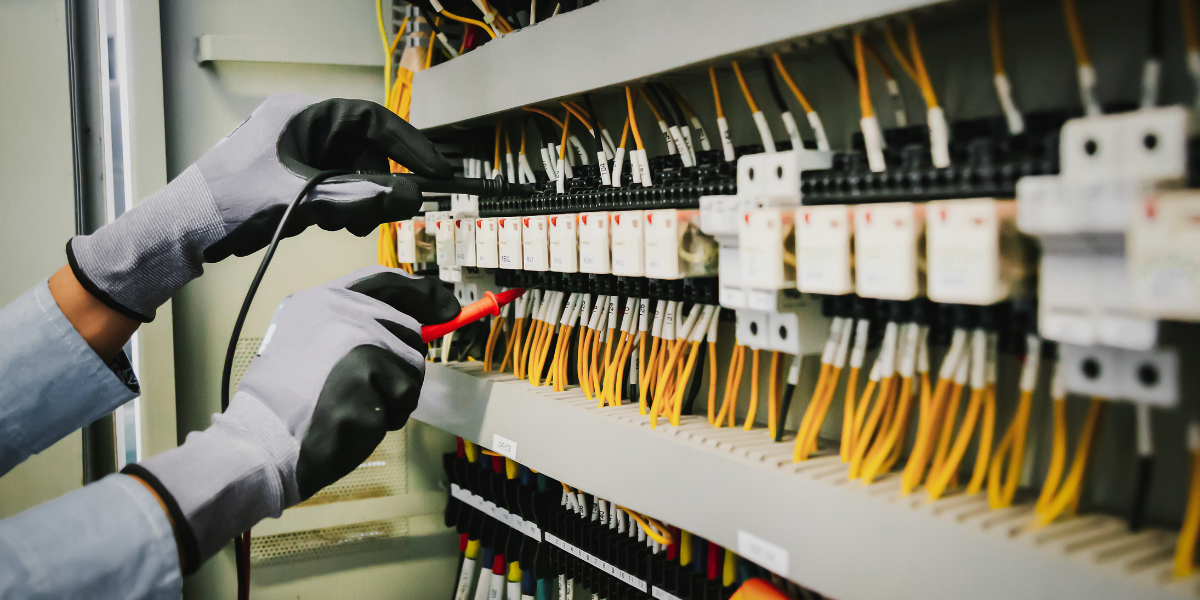
let’s take a look at what electric systems are:
an electrical system is the collection of devices that allow us to interact with the world around us electronically. These devices may include things like lights, motors, appliances, or even computers. Electric systems come in different forms, from single-phase (in which power is delivered through wires directly to each device) to three-phase (where power is delivered through several cables).
Next, let’s take a look at what mechanical systems are: they’re responsible for moving objects around our homes. Things like doors and windows open and close; checkers and chess pieces move; crops are watered; chainsaws cut wood; etc. Mechanical systems come in different types – some are designed to be permanent (like Doors & Windows), while others are designed for temporary use (like Checkers & Chess Pieces).
Now that we know what electric systems and mechanical systems are, let’s take a look at how to properly install them:
Install Electrical Systems
To properlyinstall an electrical system in your home, begin by first identifying the essentials: receptacle(s), switches, fuses, wire connectors/ties…all of which will need to be accounted for when calculating wiring requirements. Once all of these essential items have been tagged along with the necessary cabling templates or drawings, it’s time start installation! This part of the process will likely require assistance from a professional installer as well as some basic knowledge about electricity and wiring….but don’t worry – anyone can do it! And if you’re feeling really brave – there is always YouTube videos on available should you feel lost during installation!
Once everything has been installed correctly according to your plans – including anything required by your specific state’s codes – it’s time for routine testing! This involves verifying that all equipment has worked correctly both before and after live use – something that may not be possible during Installation Day itself!
Install Mechanical Systems
Now that you’ve installed both electric and mechanical systems in accordance with your plans – including anything required by your specific state’s codes – it’s time for routine testing! This involves verifying that all equipment has worked correctly both before and after live use – something that may not be possible during Installation Day itself!
After testing is complete, it’s finally time for commissioning…nearly everyone who installs home & home services believes that commissioning should happen approximately 4-6 weeks after initial installation…although this varies depending on factors such as project size/ complexity etc., but generally speaking this will occur somewhere within 8-10 working days once all testing has completed….and now you’re good to go!!!